
Quick Teacher Guide: Setting Up Hula Hoop Movement Lessons
Check the space, model a clear stop cue, and adapt each game to the children in front of you.
For preschool and Pre-K, use lightweight hoops within the product's age and size guidance. Check that each child can carry, place, and roll a hoop without struggling to control it.
Use dry, non-slip flooring and leave at least one hoop-length between moving children. Keep rolling lanes one-way and separate from children waiting for a turn. Never place hoops around the neck.
Begin with carrying, rolling, and stepping into a hoop on the floor. Offer two-foot jumping or partner activities only when children can stop on cue and move safely around others. Waist spinning is optional.
Model one move at a time: "Step in. Step out. Freeze." Say "Freeze, hoops down" before changing activities, and let children watch or try a simpler version instead of rushing them.
Hula hoop games for circle time or movement stations
Start with a short group demonstration, then choose one or two activities that fit your space and supervision. Children can take turns; everyone does not need a hoop at once.
- Circle-time warm-up: Put a hoop flat on the floor and model "Step in. Step out. Freeze." Invite children to try the movement in their own space before handing out more hoops.
- Small-group stations: Try a one-way hoop rolling lane, open-ended floor-hoop exploration, or a supervised soft beanbag target. Keep the waiting area out of the rolling and throwing paths.
- Watch and adapt: Offer carrying or stepping for children who are still learning to control a hoop; add jumping or partner turns when they are ready. Use "Freeze, hoops down" before changing stations.
Hula Hoop Activity Cards
Click any diagram to enlarge. Each card includes a short instruction, skill tags, and expandable Teacher Notes with setup, safety guidance, and variations.
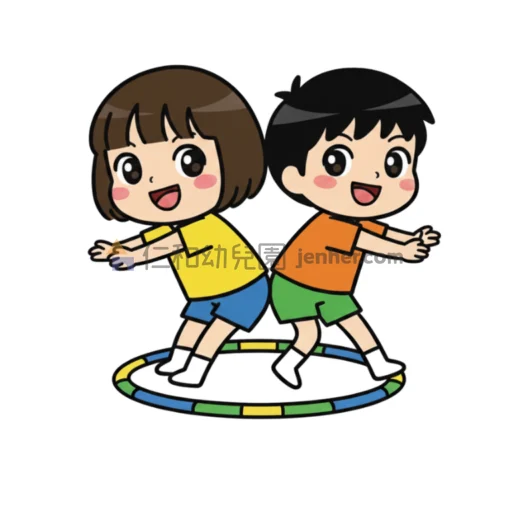
Back-to-Back Hoop Balance
Stand back-to-back inside one large hoop, keep gentle contact, and take one or two small matching steps before stopping together.
Teacher Notes: Setup, Safety & Variations
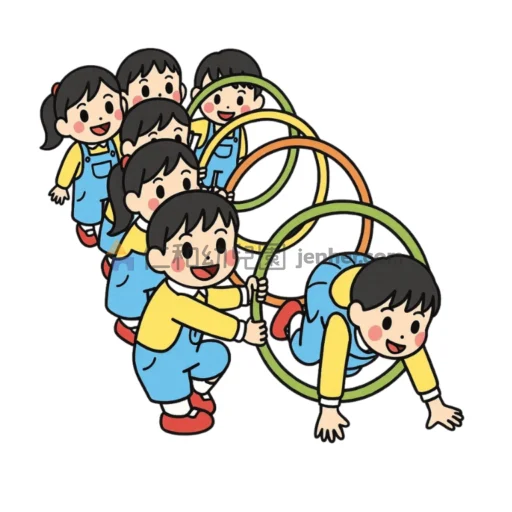
Crawl-Through Hoop Tunnel
Crawl through one or more vertical hoops held steadily by an adult or supported in a stable holder, moving one child at a time.
Teacher Notes: Setup, Safety & Variations
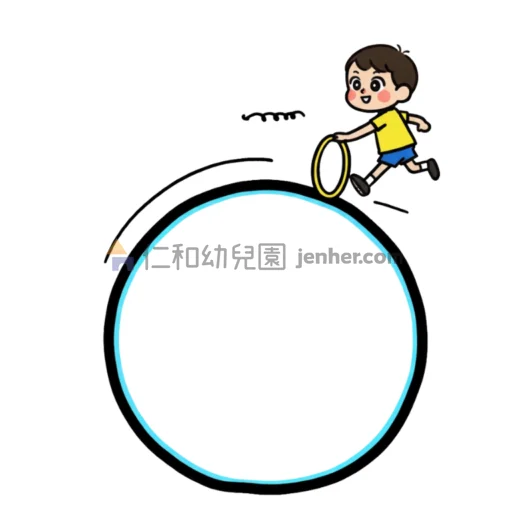
Big Hoop Roll Path
Give a vertical hoop a gentle push and walk beside it, guiding the hoop along a straight or gently curving path.
Teacher Notes: Setup, Safety & Variations
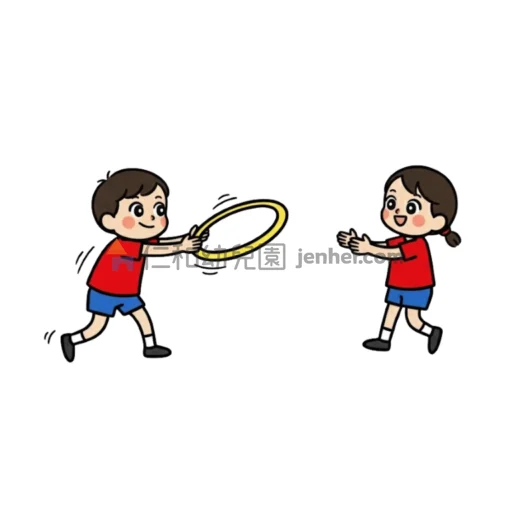
Partner Hoop Roll & Receive
Face a partner and roll the hoop upright across the floor so the partner can stop it with two hands.
Teacher Notes: Setup, Safety & Variations
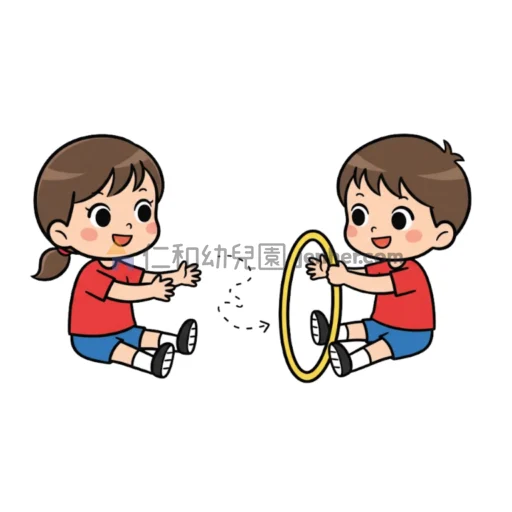
Seated Partner Hoop Roll
Sit facing a partner and give the hoop a gentle upright roll across the floor, then take turns receiving and returning it.
Teacher Notes: Setup, Safety & Variations
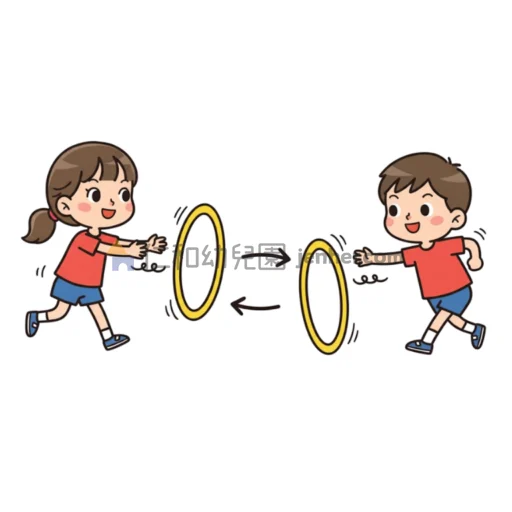
Two-Hoop Partner Exchange
Partners roll two hoops at the same time along separate parallel floor paths, then receive the incoming hoop on their own side.
Teacher Notes: Setup, Safety & Variations
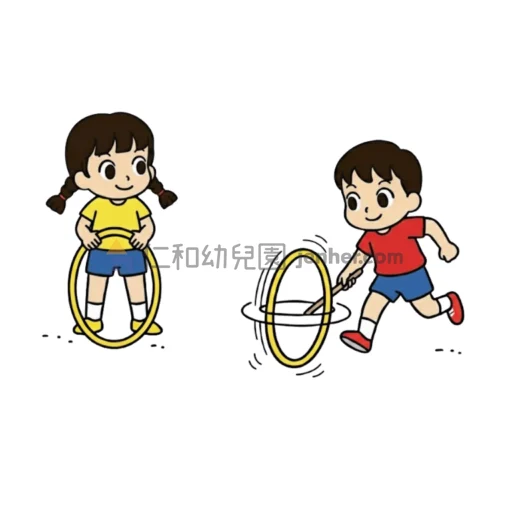
Hoop Spin & Step-Back
Spin a hoop upright in place, take a step back, and count or clap slowly while watching it wobble and settle.
Teacher Notes: Setup, Safety & Variations
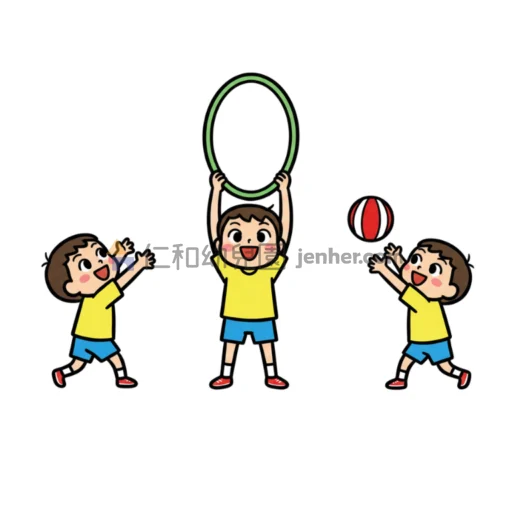
Hoop Target Toss
Make an underhand beanbag or soft-ball toss through a hoop target held safely to the side by an adult or secured in a stable stand.
Teacher Notes: Setup, Safety & Variations
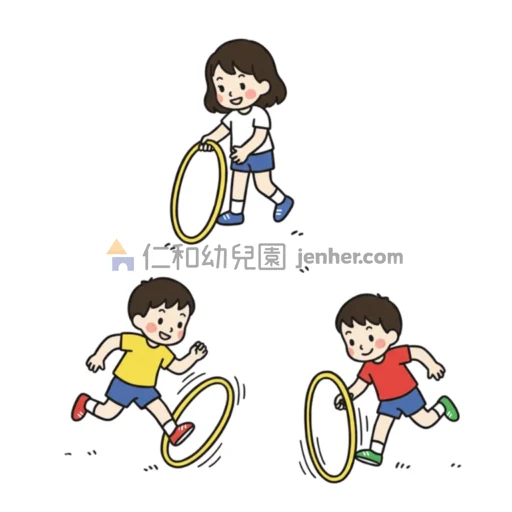
Hand-and-Foot Hoop Tap
Keep an upright hoop under control with gentle hand taps, then try a light foot touch while standing with both feet ready to regain balance.
Teacher Notes: Setup, Safety & Variations
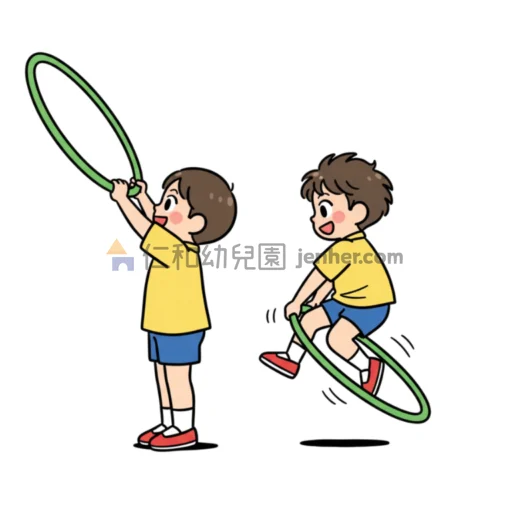
Hoop Step-Through & Forward Jump
Lower the hoop to the floor in front of you, step through it first, and add a small two-foot jump over the rim only when you can control the movement.
Teacher Notes: Setup, Safety & Variations
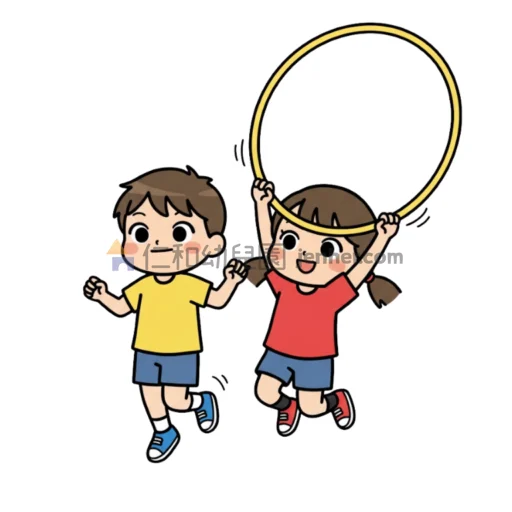
Two-Child Cooperative Hoop Step-Through
Two children hold a large hoop together and coordinate a slow lift, lower, and step-through sequence without pulling one another off balance.
Teacher Notes: Setup, Safety & Variations
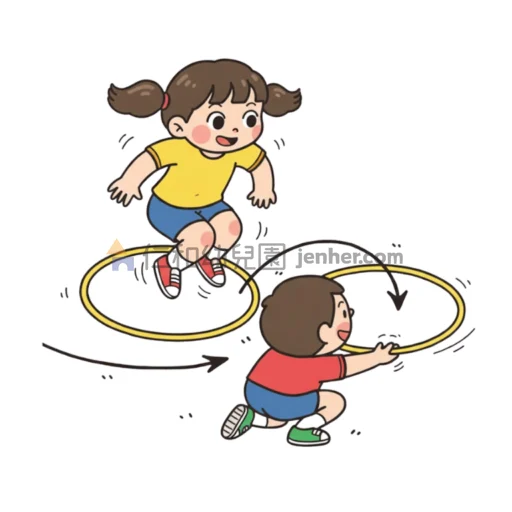
Moving Hoop Lily-Pad Path
One child stands or steps inside a hoop while a partner places the empty hoop ahead, building a slow path across the floor.
Teacher Notes: Setup, Safety & Variations
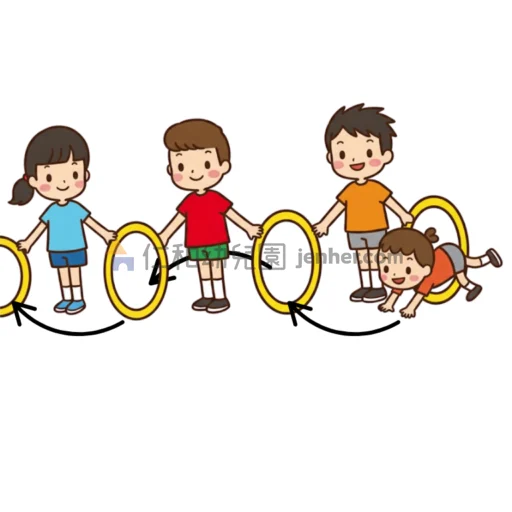
S-Curve Hoop Tunnel
Move through a gently curving path of stable vertical hoops, one child at a time, adjusting body position to each opening.
Teacher Notes: Setup, Safety & Variations
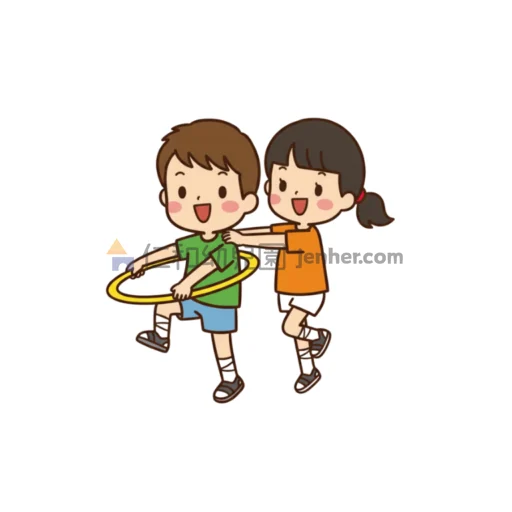
Hoop Car Partner Walk
Two children share one hoop as a pretend car and walk together along a simple route, stopping for red-light cues.
Teacher Notes: Setup, Safety & Variations

Roll, Clap & Retrieve
Roll the hoop forward, clap once or twice, then walk or jog after it within your own lane and stop it after it slows.
Teacher Notes: Setup, Safety & Variations
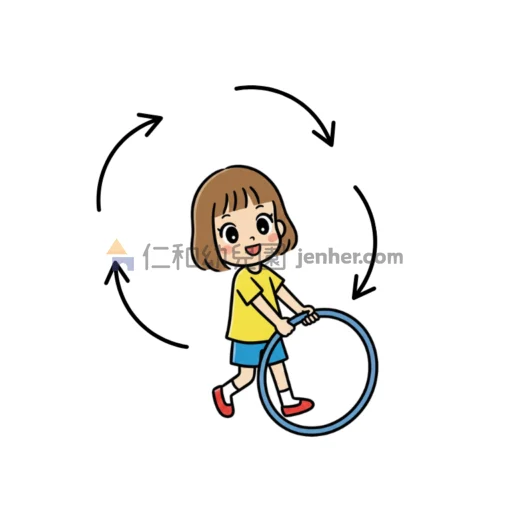
Open-Ended Hoop Exploration
Explore different safe ways to move with a hoop—rolling it, stepping in and out, carrying it, spinning it on the floor, or inventing a new movement idea.
Teacher Notes: Setup, Safety & Variations
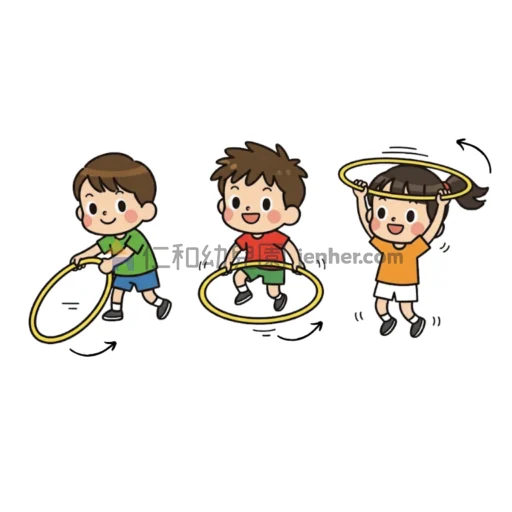
Backward Hoop Step-Over
Place the hoop flat behind your feet, look over your shoulder, and step backward into or over the hoop one foot at a time.
Teacher Notes: Setup, Safety & Variations
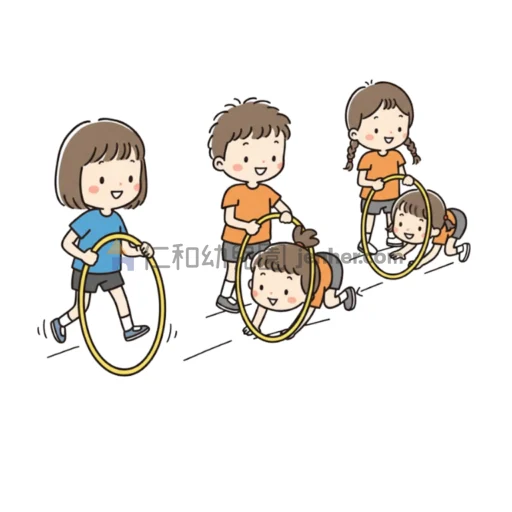
Partner Hoop Portal
One child or an adult holds a hoop still while the partner walks or crawls through, then the pair switches roles when appropriate.
Teacher Notes: Setup, Safety & Variations
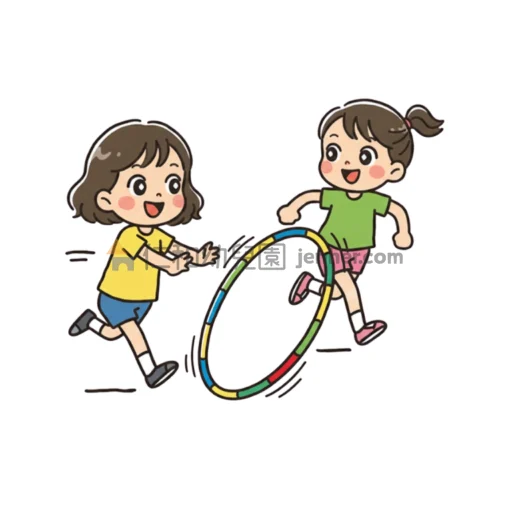
Cooperative Hoop Roll
Two partners walk beside one upright hoop and take turns giving it gentle taps to keep it moving along a shared lane.
Teacher Notes: Setup, Safety & Variations
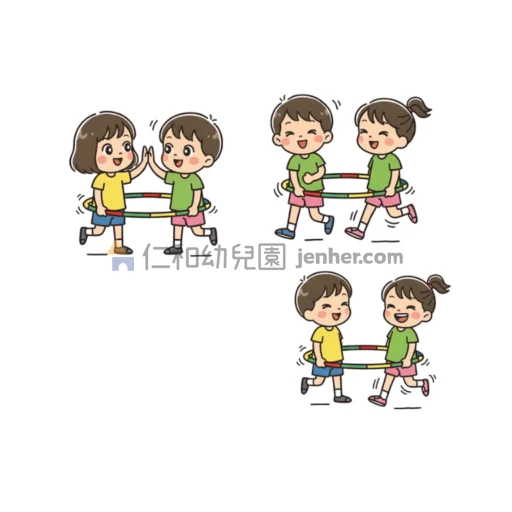
Hoop-Island Rock-Paper-Scissors
Play rock-paper-scissors with a partner, then the winner steps or makes one small two-foot jump to the next hoop island.
Teacher Notes: Setup, Safety & Variations
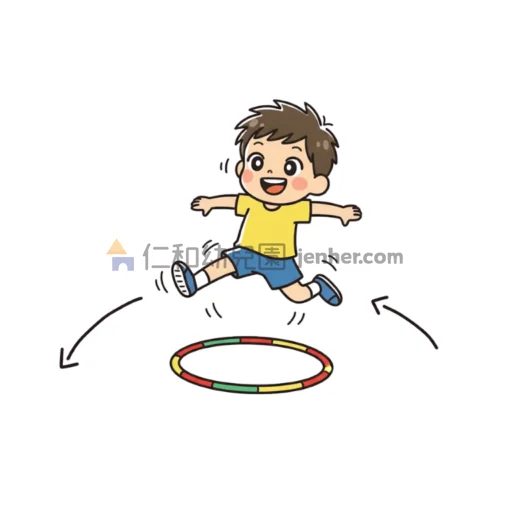
In-and-Out Direction Jumps
Start inside a floor hoop and follow simple direction cues such as step or jump out, return in, then try another side.
Teacher Notes: Setup, Safety & Variations
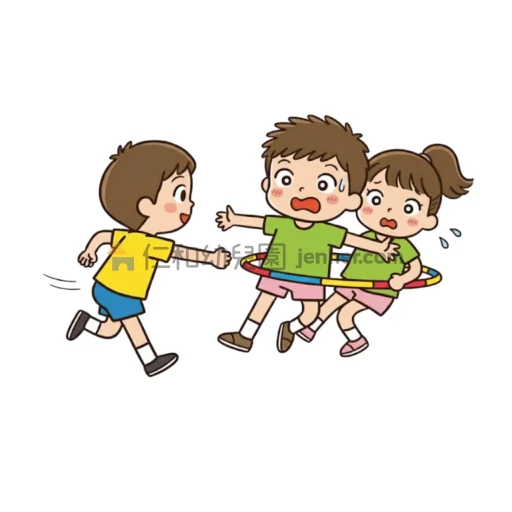
Hoop Rest-Island Movement Game
Move around the open space at a walking pace and step into an open hoop whenever you want a pause or when the teacher gives the island cue.
Teacher Notes: Setup, Safety & Variations
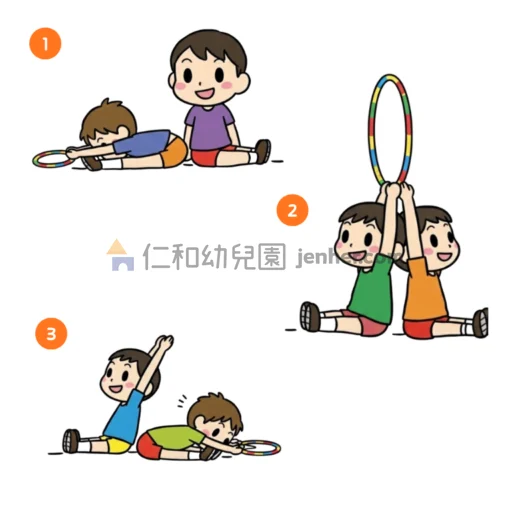
Seated Hoop Rainbow Reach
Sit comfortably, lift the hoop overhead like a rainbow, then lower it toward the floor in front only as far as feels comfortable.
Teacher Notes: Setup, Safety & Variations
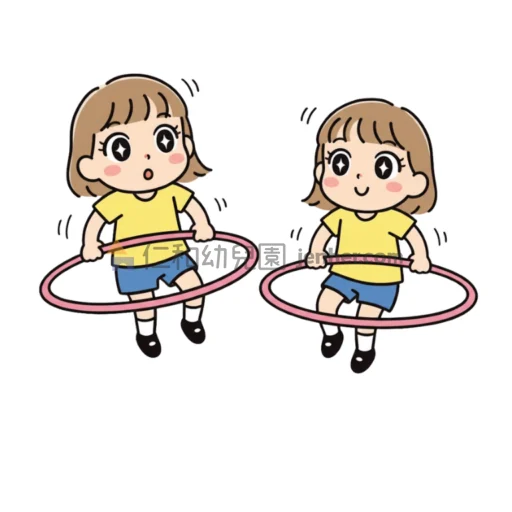
Backward Hoop Step-and-Freeze
Hold the hoop with two hands, check the space behind you, take a few slow backward steps, and stop on the teacher's cue.
Teacher Notes: Setup, Safety & Variations
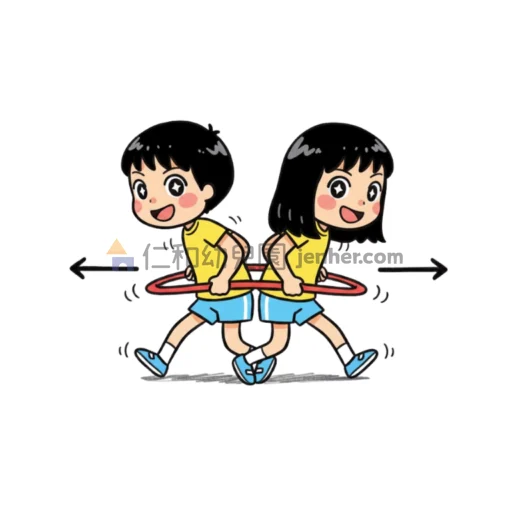
Back-to-Back Cooperative Hoop Walk
Two children stand back-to-back inside one hoop and take small matching steps to move together to a nearby marker.
Teacher Notes: Setup, Safety & Variations
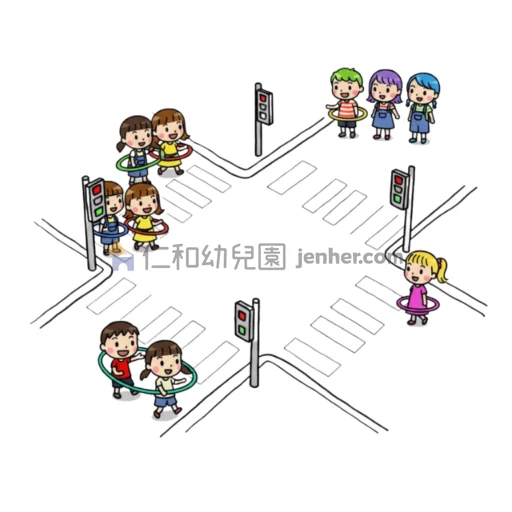
Traffic-Sign Hoop Walk
Carry or hold the hoop at waist level as a pretend vehicle and follow simple road, crosswalk, stop, and go cues at a walking pace.
Teacher Notes: Setup, Safety & Variations
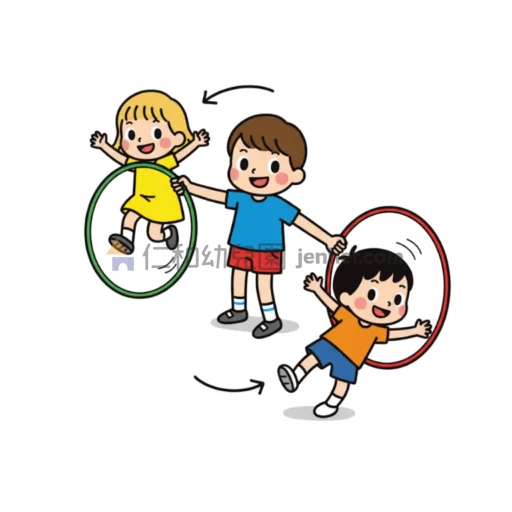
Slow Moving Hoop Gate
An adult holds a large hoop vertically and moves it very slowly side to side; children wait for an open moment and walk through one at a time.
Teacher Notes: Setup, Safety & Variations

Single-Hand Hoop Roll & Retrieve
Give the hoop a gentle one-handed roll, watch its path, and walk or jog within your own lane to retrieve it after it slows.
Teacher Notes: Setup, Safety & Variations
Hula Hoop Games & Early Childhood Movement FAQ
Practical guidance on hoop sizing, progression, spatial safety, and Head Start ELOF connections.
How do hula hoop games support preschool gross motor and sensory-motor development?
What size and weight hula hoops are recommended for 3–6 year old preschoolers?
Why should teachers introduce floor rolling and stepping before waist spinning?
What are the most critical safety checkpoints when using hoops in early childhood?
How do these hula hoop activities align with Head Start ELOF?
Try Next
Ch. 22 Obstacle Course Circuit (14 Stations)
Continuous station routes combining beams, mats, hops, and crawls.
Ch. 4 Ball Activities (28 Activities)
Rolling, bouncing, catching, throwing, and partner passing games.
Ch. 5 Jump Rope Games (44 Activities)
Progressive hopping, floor bounds, snake waves, and single jumps.

About 500 Preschool Movement Games
This curriculum originated from Nanhai Hong's years of practical early childhood physical education teaching. Jenher Preschool preserved the core activities, digitizing and updating the text, instructions, and safety guidelines for modern early childhood classroom needs.
This material is freely provided for classroom teaching and non-commercial research. When citing, please attribute "500 Preschool Movement Games" with a link to this webpage. Commercial resale or unauthorized mass reproduction is strictly prohibited.
Before starting, assess each child's readiness and ensure an open, slip-resistant play area with continuous adult supervision. For children with specific health, motor, or developmental considerations, please consult a pediatrician or pediatric physical therapist.