
Principles for Observing Movement Safety Habits
Core guidelines for observing protective movement behaviors in early childhood physical education:
Child observation is never a substitute for continuous adult supervision, safe equipment, and impact-absorbing surfaces.
Observe how children use arm support, bend their knees on landings, and adjust body height to clear obstacles.
Use observations to plan supportive learning stations rather than grading or comparing children's safety performance.
Offer mats, low obstacles, and educator spotting so every child can explore movement boundaries with confidence.
Movement Safety & Protective Response Prompts (9 Items)
Click any card to explore setup guidance, protective skills observed, safety considerations, archival scoring context, and reflective teacher prompts.
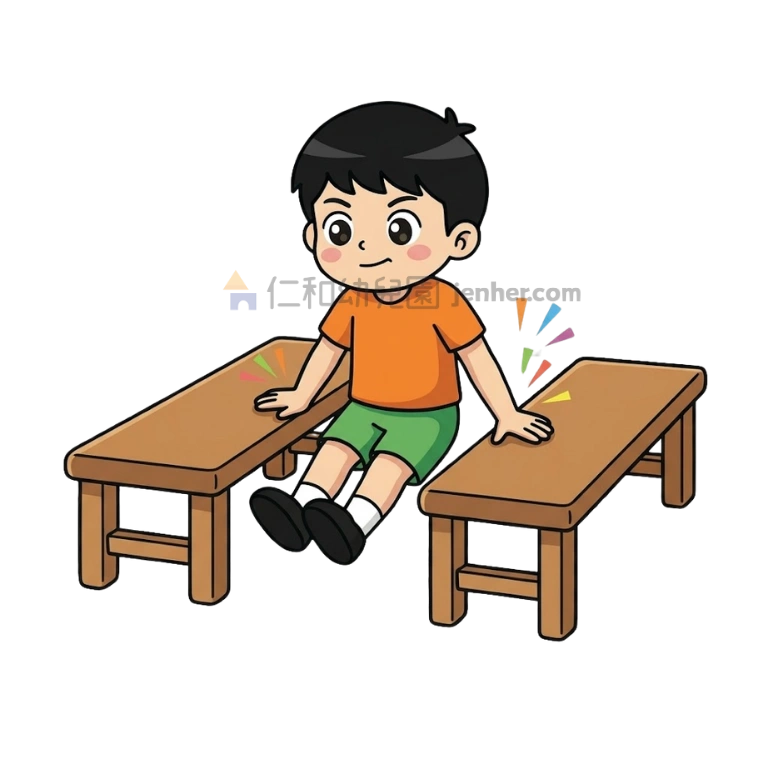
Supported Arm Weight-Bearing Hold
Observe how a child supports body weight through extended arms between two stable, low surfaces (or parallel low bars), noticing shoulder engagement and arm strength.
Teacher Notes: Setup, Safety & Variations
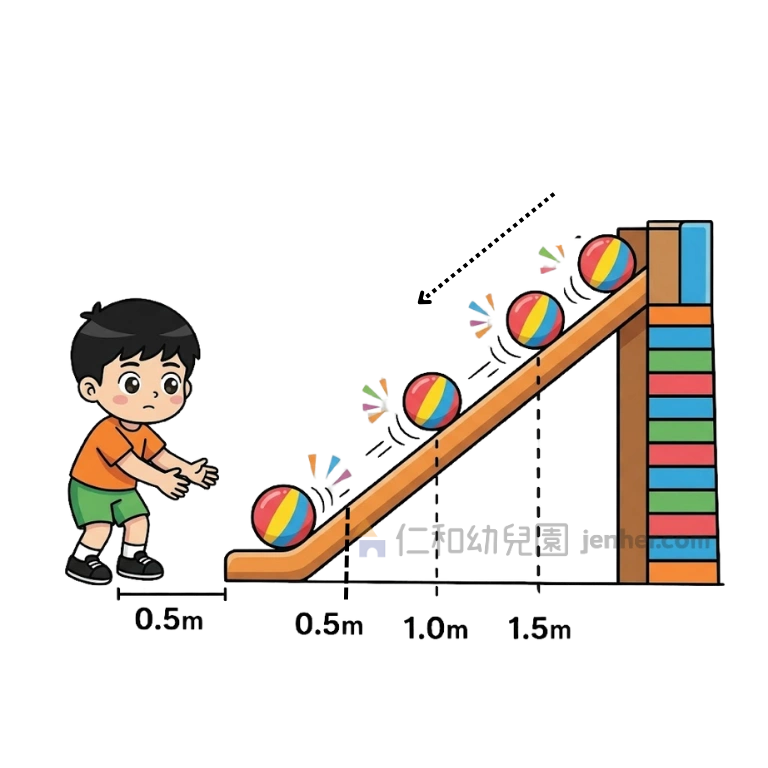
Visual Tracking & Step-Evading a Rolling Ball
Observe how a child tracks a gently rolled soft ball along the floor and takes a coordinated lateral step to avoid contact with the ball.
Teacher Notes: Setup, Safety & Variations
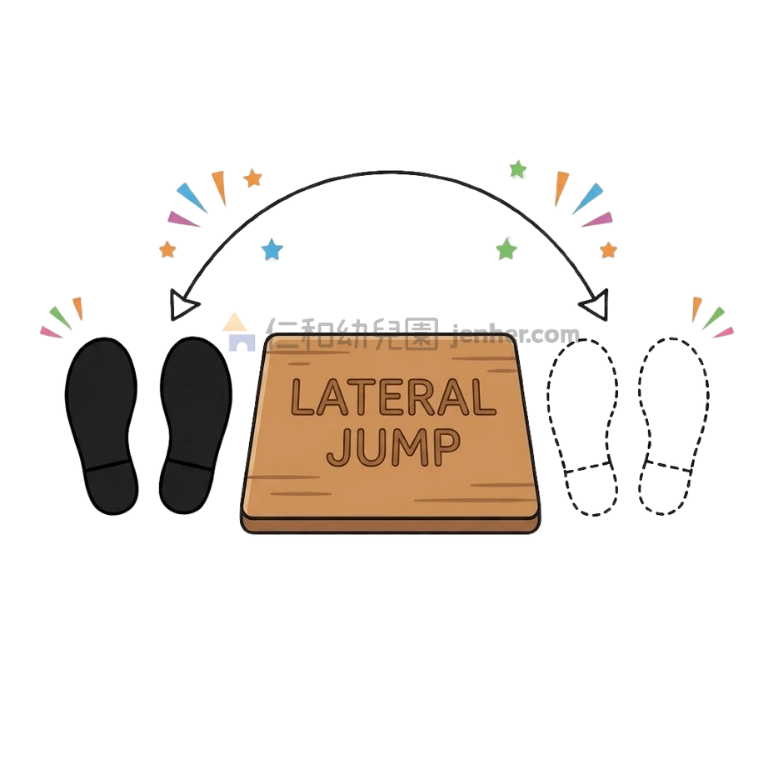
Side-to-Side Two-Foot Line Hops
Observe how a child hops side-to-side across a flat floor tape line with both feet together, maintaining rhythm and balance.
Teacher Notes: Setup, Safety & Variations
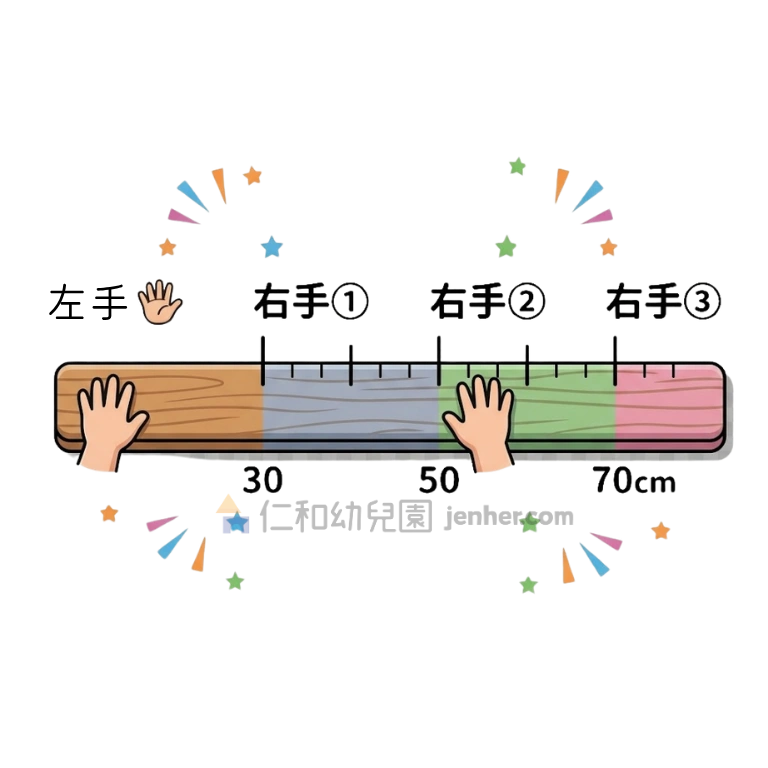
Seated Dowel Straddle & Leg Cross
Observe how a child sits on the floor holding a light wooden or foam dowel and coordinates lifting and stepping legs across the dowel one at a time.
Teacher Notes: Setup, Safety & Variations
後仰過棒測驗.webp)
Low-Bar Step-Under Clearance
Observe how a child navigates under a suspended soft horizontal bar or ribbon by bending the knees, adjusting head height, and stepping through safely.
Teacher Notes: Setup, Safety & Variations
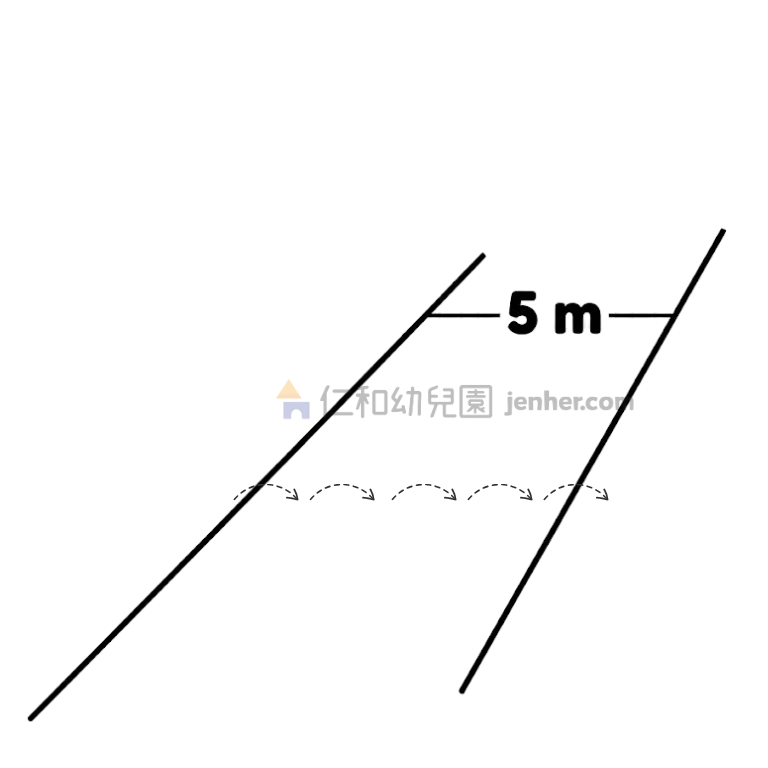
Single-Leg Continuous Forward Hopping
Observe how a child hops forward continuously on one foot along a short floor pathway, maintaining balance and dynamic control.
Teacher Notes: Setup, Safety & Variations
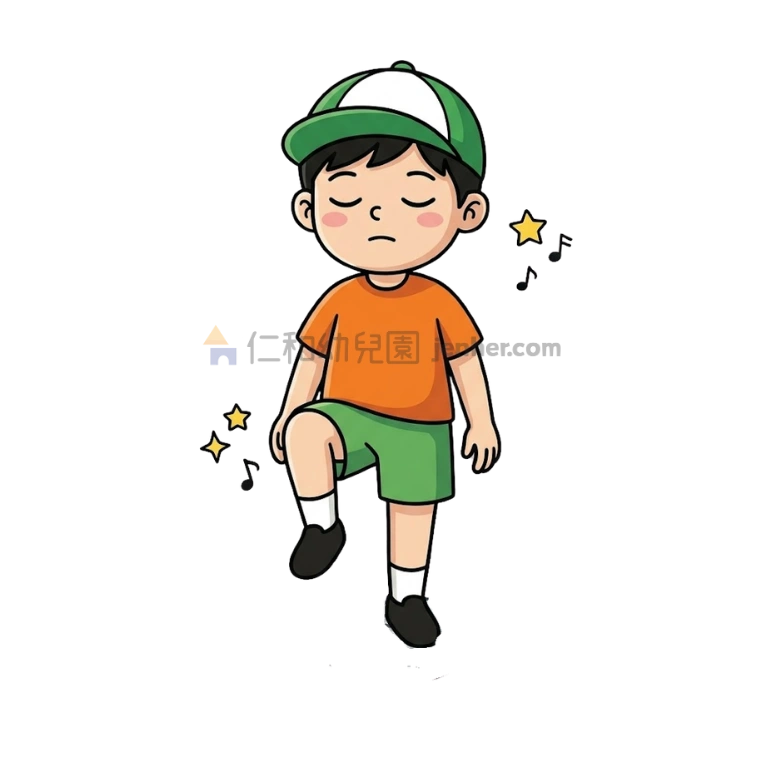
Single-Leg Balance Hold
Observe how a child stands on one foot with arms relaxed or extended, noticing balance adjustments with eyes open or briefly closed during playful movement.
Teacher Notes: Setup, Safety & Variations
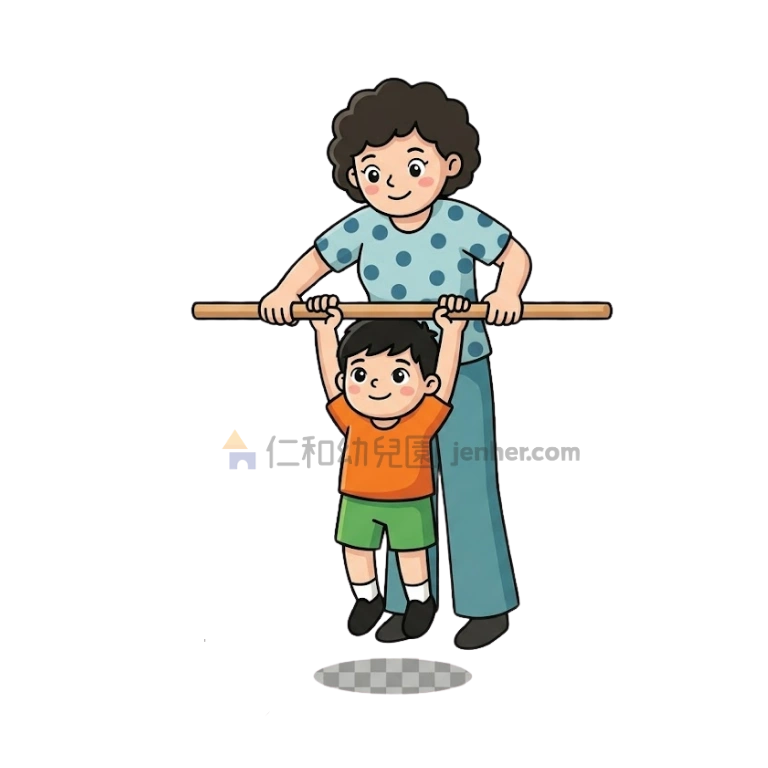
Two-Hand Bar Hang & Safe Drop Rehearsal
Observe how a child holds an approved horizontal bar with both hands, engages the shoulders, and practices releasing under control to land softly on a safety mat.
Teacher Notes: Setup, Safety & Variations
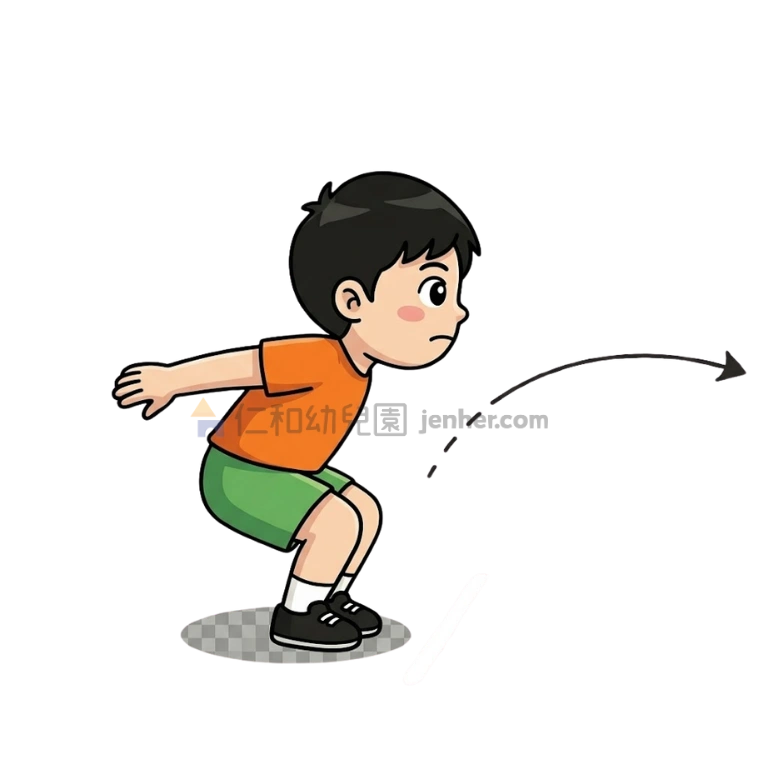
Standing Long Jump & Soft Knee Landing
Observe how a child coordinates an arm swing and two-foot push-off to perform a standing long jump forward, sticking a balanced landing with bent knees.
Teacher Notes: Setup, Safety & Variations
Preschool Movement Safety Observation FAQ
Practical answers for early childhood educators on using observation prompts to support classroom safety culture.
Does completing this guide certify that a child is 'safe' from playground injury?
Can this observation guide replace adult supervision or playground hazard inspections?
What protective movement responses does this guide focus on?
Why does this adaptation avoid pass/fail benchmarks or timed endurance thresholds?
How can teachers use these observations to improve classroom movement safety?

500 Movement Games Collection: Chapter 20 — Movement Safety Observation Guide
This curriculum originated from Nanhai Hong's years of practical early childhood physical education teaching. Jenher Preschool preserved the core activities, digitizing and updating the text, instructions, and safety guidelines for modern early childhood classroom needs.
This material is freely provided for classroom teaching and non-commercial research. When citing, please attribute "500 Preschool Movement Games" with a link to this webpage. Commercial resale or unauthorized mass reproduction is strictly prohibited.
Before starting, assess each child's readiness and ensure an open, slip-resistant play area with continuous adult supervision. For children with specific health, motor, or developmental considerations, please consult a pediatrician or pediatric physical therapist.